

https://www.lkpowerplant.com/product/ :
As the world embraces the transition towards a more sustainable future, renewable energy sources such as solar, wind, and hydroelectric power have gained significant momentum. However, the intermittent nature of these sources poses challenges for maintaining a stable and reliable power supply. In such scenarios, diesel generators emerge as a crucial backup solution, allowing for the integration of renewable energy into existing power systems. This article explores the role of diesel generators in renewable energy integration, highlighting their benefits, challenges, and potential for a sustainable energy future.
1. The Need for Renewable Energy Integration:
1.1 The Rise of Renewable Energy: The growing concerns over climate change and the depletion of fossil fuel reserves have led to a rapid expansion of renewable energy technologies worldwide.
1.2 Intermittency Challenges: Unlike traditional power sources, renewable energy generation depends on weather conditions, making it intermittent and less reliable for meeting constant electricity demands.
1.3 Grid Stability and Reliability: Maintaining a stable and reliable power supply is crucial to avoid power outages and ensure the uninterrupted functioning of critical infrastructure and industries.
2. Diesel Generators for Renewable Energy Integration:
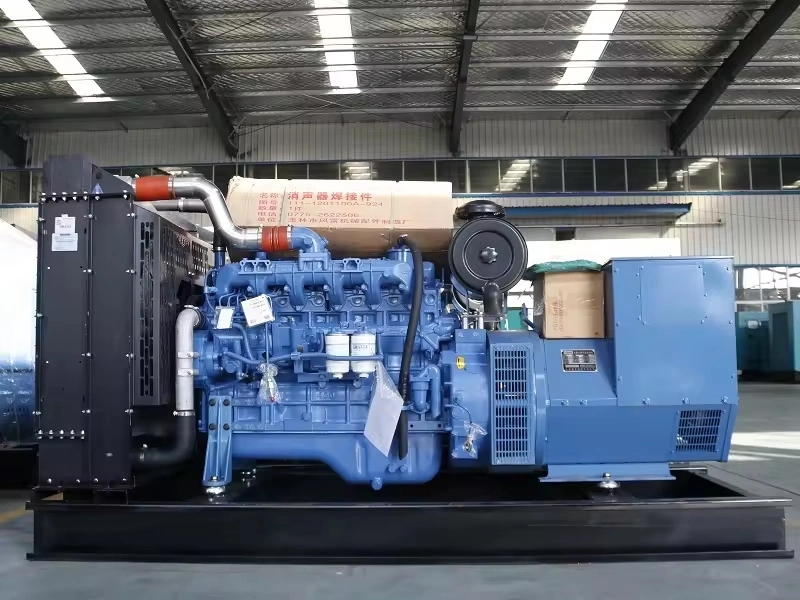
2.1 Overview of Diesel Generators: Diesel generators are widely used for standby power and as backup systems due to their high energy density and long operational life.
2.2 Role of Diesel Generators in Renewable Energy Integration: Diesel generators serve as a reliable backup solution to compensate for intermittent renewable energy generation, ensuring a constant power supply during periods of low or no renewable energy production.
2.3 Hybrid Power Systems: Combining diesel generators with renewable energy sources in hybrid power systems offers an efficient way to integrate renewable energy into existing grids and minimize reliance on fossil fuel-based power generation.
3. Benefits of Diesel Generators in Renewable Energy Integration:
3.1 Grid Stability: Diesel generators provide a stable power supply, reducing the risk of grid instability caused by intermittent renewable energy generation.
3.2 Power Quality and Reliability: Diesel generators offer consistent voltage and frequency control, ensuring a reliable power supply, especially for critical loads.
3.3 Quick Start-up and Ramp-up: Diesel generators have the advantage of quick start-up and ramp-up capabilities, enabling them to respond rapidly to sudden changes in power demand.
3.4 Energy Storage Support: Diesel generators can be integrated with energy storage systems to store excess renewable energy for later use, further optimizing the utilization of renewable resources.
4. Challenges and Limitations:
4.1 Environmental Impact: Diesel generators emit pollutants such as nitrogen oxides (NOx), sulfur oxides (SOx), and particulate matter, contributing to air pollution and climate change.
4.2 Fuel Dependence: Diesel generators rely on fossil fuels, which are non-renewable resources, leading to concerns regarding their long-term sustainability.
4.3 Operating and Maintenance Costs: The operational and maintenance costs associated with diesel generators can be relatively high, impacting the economic viability of renewable energy integration projects.
5. Mitigating Challenges and Enhancing Sustainability:
5.1 Emission Control Technologies: The use of advanced emission control technologies, such as selective catalytic reduction (SCR) and diesel particulate filters (DPF), can significantly reduce the environmental impact of diesel generators.
5.2 Alternative Fuels: Exploring alternative fuels like biodiesel, synthetic fuels, and hydrogen can mitigate the dependence on fossil fuels and reduce greenhouse gas emissions.
5.3 Energy Management Systems: Implementing advanced energy management systems can optimize the operation of diesel generators and renewable energy sources, improving overall system efficiency and reducing operating costs.
5.4 Research and Development: Continuous research and development efforts are essential to enhance the performance and efficiency of diesel generators, as well as to explore cleaner and more sustainable power generation technologies.
6. Case Studies and Success Stories:
6.1 Remote Off-grid Communities: Diesel generators have played a crucial role in providing reliable power supply to remote off-grid communities, complementing intermittent renewable energy sources and reducing dependence on costly and polluting diesel-only power generation.
6.2 Island Power Systems: Many islands around the world have successfully integrated renewable energy sources with diesel generators to achieve greater energy independence and sustainability.
6.3 Emergency Backup Systems: Diesel generators serve as reliable backup systems during emergencies, ensuring uninterrupted power supply for critical infrastructure and essential services.
7. Conclusion:
Diesel generators play a vital role in integrating renewable energy into existing power systems by providing a reliable backup solution during periods of low or no renewable energy generation. Despite their environmental and economic challenges, advancements in emission control technologies, the exploration of alternative fuels, and the implementation of energy management systems can enhance the sustainability of diesel generators. As we strive towards a sustainable energy future, the integration of diesel generators with renewable energy sources presents an effective and reliable pathway towards a greener and more resilient power system.